Table of Contents
- 1 Introduction: Decoding the Language of Search
- 2 SEO Terms Starting with A
- 3 SEO Terms Starting with B
- 4 SEO Terms Starting with C
- 5 SEO Terms Starting with D
- 6 SEO Terms Starting with E
- 7 SEO Terms Starting with F
- 8 SEO Terms Starting with G
- 9 SEO Terms Starting with H-J
- 10 SEO Terms Starting with K
- 11 SEO Terms Starting with L
- 12 SEO Terms Starting with M-O
- 13 SEO Terms Starting with P-R
- 14 SEO Terms Starting with S
- 15 SEO Terms Starting with T-W
- 16 Conclusion: Your SEO Journey Begins Here
- 17 Ready to Put This Glossary Into Action?
Introduction: Decoding the Language of Search
Are you dreaming of seeing your company website at the top of Google search results, but find that SEO jargon sounds like a foreign language? You’re not alone. If you’re a beginner in search engine optimization, planning effective strategies without understanding key terminology can feel overwhelming and frustrating.
This comprehensive glossary of SEO terms features over 250 definitions compiled to help you master the essential vocabulary of digital marketing. Whether you’re a small business owner, content creator, or aspiring SEO professional, this guide will empower you to navigate the world of search optimization with confidence.
SEO Terms Starting with A
A/B Testing (Split Testing)
- Definition: The process of testing two different versions of a campaign component against each other to determine which performs better
- Use Case: Essential for conversion rate optimization (CRO), testing landing pages, headlines, or call-to-action buttons
- Benefit: Data-driven approach to improve user engagement and ROI
Above the Fold
- Definition: Content visible on a webpage without scrolling down
- Context: Google’s Page Layout Algorithm (2012) penalizes sites with excessive ads in this space
- Importance: Crucial for first impressions and user experience
Accelerated Mobile Pages (AMP)
- Definition: A Google-supported HTML framework for creating fast-loading mobile pages
- Update: No longer required for Top Stories; emphasis shifted to Core Web Vitals
- Purpose: Optimizes mobile viewing experience with lightweight page versions
Algorithm
- Definition: Complex computer program search engines use to collect, retrieve, and rank information
- Insight: Google’s algorithm considers over 300 ranking signals
- Function: Automates organic search results delivery based on relevance and quality
Alt Text / Alt Attribute
- Definition: Text description added to image tags in HTML describing image content
- SEO Benefit: Essential for image SEO since search engines cannot directly interpret visuals
- Accessibility: Enables screen readers to describe images to visually impaired users
- Example: Use “modern kitchen design with white cabinets” instead of “IMG_001.jpg”
Analytics
- Definition: Collection, analysis, and interpretation of website data to gain actionable insights
- Metrics Tracked: Traffic, user behavior, conversions, engagement
- Standard Tool: Google Analytics is the industry-standard free platform
Anchor Text
- Definition: The visible, clickable text portion of a hyperlink
- SEO Relevance: Provides context to search engines about linked page content
- Best Practice: Use descriptive, keyword-rich anchor text naturally
Authority
- Definition: Perceived quality, credibility, and trustworthiness of a website or domain
- Impact: Higher authority sites typically earn better rankings
- Building Method: Consistent high-quality content and reputable inbound links
- Metrics: Moz’s Domain Authority (DA) and Page Authority (PA) scores (0-100)
SEO Terms Starting with B
Backlink (Inbound Link)
- Definition: An incoming hyperlink from an external website to your site
- SEO Relevance: Signals trust and value to search engines; powerful ranking factor
- Quality Matters: Links from authoritative domains carry more weight
- Impact: Significantly boosts SEO rankings when from reputable sources
Black Hat SEO
- Definition: Aggressive tactics that violate search engine quality guidelines
- Examples: Keyword stuffing, hidden text, content automation, cloaking, spam links
- Risk: Severe penalties including ranking demotions or complete deindexing
- Contrast: Opposite of white hat SEO ethical practices
Blog
- Definition: Regularly updated publication with newest content appearing first
- SEO Value: Provides fresh content that search engines favor
- Purpose: Establishes thought leadership and targets long-tail keywords
Bot (Crawler, Spider, Web Crawler)
- Definition: Automated program that systematically browses the internet
- Function: Discovers content, collects information, and updates search indexes
- Example: Googlebot is Google’s primary web crawler
Bounce Rate
- Definition: Percentage of visitors who leave after viewing only one page
- Indication: May suggest poor content quality or irrelevance
- Google’s Stance: Not a direct ranking factor, but context matters
Branded Keyword
- Definition: Keywords or phrases including a specific company or brand name
- Value: High commercial intent and conversion rates
- User Intent: Searchers often familiar with brand and further in buyer’s journey
Broken Link (Dead Link)
- Definition: Hyperlink pointing to non-existent page resulting in 404 error
- Cause: Content moved or deleted without proper redirects
- Impact: Harms user experience and potentially SEO performance
SEO Terms Starting with C
Canonical URL/Tag
- Definition: HTML element (rel=”canonical”) specifying preferred URL version
- Purpose: Prevents duplicate content penalties
- Function: Tells search engines which version to display in results
Citation
- Definition: Online mention of business’s Name, Address, and Phone (NAP)
- Common Locations: Online directories like Yelp and Yellow Pages
- Local SEO: Consistent NAP critical for Google Maps visibility
Click-Through Rate (CTR)
- Definition: Percentage of users who click your link versus total impressions
- Calculation: (Total Clicks ÷ Total Impressions) × 100
- Utility: Measures effectiveness of title tags and meta descriptions
Cloaking
- Definition: Deceptive technique showing different content to bots versus users
- Violation: Against Google’s Webmaster Guidelines
- Consequence: Severe penalties including manual actions
Content
- Definition: Information (text, images, videos, audio) created to educate or engage
- SEO Importance: Quality content is one of the most critical ranking factors
- Rewarded Qualities: Useful, credible, unique, engaging, informative
Content Management System (CMS)
- Definition: Backend software for creating and managing content without coding
- Examples: WordPress, Joomla, Drupal, Squarespace
- Purpose: Simplifies website management and content publication
Conversion
- Definition: Desired action completed by website visitor
- Examples: Purchases, form submissions, newsletter signups, demo requests
- Importance: Essential for measuring SEO ROI and success
Core Web Vitals
- Definition: Metrics measuring page performance and user experience
- Largest Contentful Paint (LCP): Measures loading performance
- Interaction to Next Paint (INP): Measures page responsiveness
- Cumulative Layout Shift (CLS): Quantifies visual stability
- Status: Confirmed Google ranking factors
Crawl Budget
- Definition: Total URLs a search engine bot can crawl in specific timeframe
- Importance: Critical for large websites to ensure important pages get indexed
- Optimization: Manage through robots.txt and sitemap prioritization
SEO Terms Starting with D
De-index
- Definition: Removal of webpage or site from search engine’s index
- Causes: Guideline violations (manual action) or voluntary removal
- Tool: Can be done voluntarily via Google Search Console’s Remove URLs tool
Disavow
- Definition: Google tool to submit list of spammy backlinks to ignore
- Purpose: Prevents negative SEO impacts from toxic link profiles
- Location: Available in Google Search Console
Do-follow Link
- Definition: Default link state that passes PageRank to destination site
- SEO Value: Contributes to link equity and ranking power
- Best Practice: Use for editorial links you genuinely endorse
Domain Authority (DA)
- Definition: Comparative metric (0-100) predicting domain’s ranking potential
- Developer: Created by Moz; Semrush offers similar Authority Score
- Usage: Widely used by SEO professionals to assess competition
- Note: Not a Google ranking factor, but useful comparative metric
Duplicate Content
- Definition: Content appearing in multiple locations (same site or different domains)
- Problem: Confuses search engines about which version to index and rank
- Solution: Use canonical tags to specify preferred version
Dwell Time
- Definition: Time user spends on page before returning to SERP
- Significance: Very short dwell time (under 5 seconds) may signal low quality
- Interpretation: Longer dwell time often indicates content satisfied search intent
SEO Terms Starting with E
E-E-A-T
- Definition: Experience, Expertise, Authoritativeness, Trustworthiness
- Source: Outlined in Google’s Search Quality Evaluator Guidelines
- Importance: Particularly critical for YMYL (Your Money Your Life) topics
- Topics: Health, finance, legal advice require strong E-E-A-T signals
Ecommerce SEO
- Definition: Specialized optimization techniques for online stores
- Focus: Ranking product and category pages for relevant searches
- Keywords: Targets product names, SKUs, and transactional terms
Editorial Link (Natural Link)
- Definition: Backlink earned organically because content was valuable
- Quality: Given voluntarily rather than through payment or manipulation
- Value: Gold standard for building healthy link profile
External Link (Outbound Link)
- Definition: Hyperlink on your site directing to different domain
- Best Practice: Link to authoritative, relevant sources
- Risk: Linking to low-quality sites may negatively impact SEO
SEO Terms Starting with F
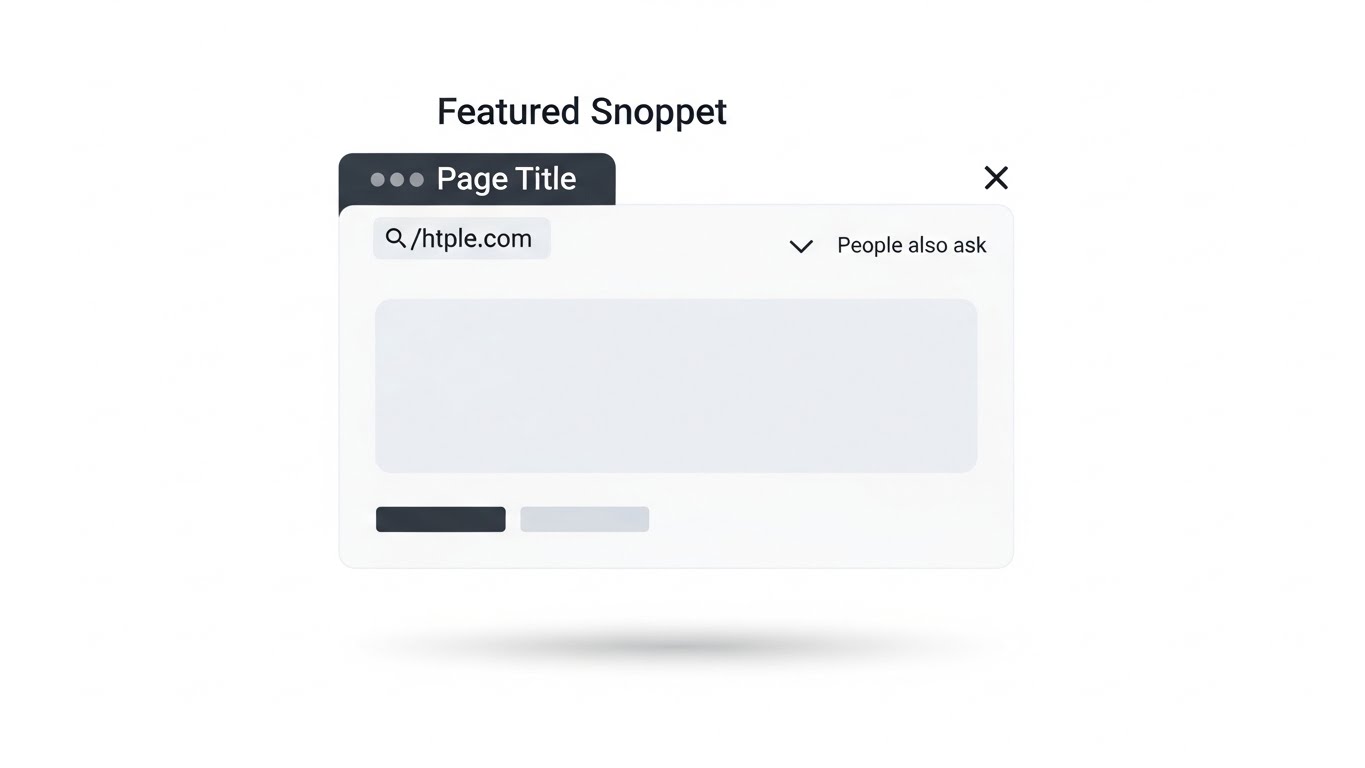
Featured Snippet (Position Zero)
- Definition: Special result format appearing above organic listings
- Content Types: Paragraphs, lists, tables, or videos with source link
- Benefit: Dramatically increases visibility and click-through rates
- Strategy: Structure content to directly answer common questions
SEO Terms Starting with G
Google Algorithm Updates
- Core Updates: Broad algorithmic changes rolled out several times annually
- Google Panda (2011): Targeted thin, low-quality content
- Google Penguin (2012): Penalized manipulative link schemes and keyword stuffing
- Google Hummingbird (2013): Enhanced semantic search and query understanding
- Google RankBrain (2015): Introduced machine learning for search intent
Google Analytics (GA)
- Definition: Free web analytics platform tracking website performance
- Metrics: Traffic sources, user behavior, content performance, conversions
- Importance: Indispensable for measuring SEO success
Google Business Profile (GBP)
- Definition: Free tool for managing local business presence on Google
- Platforms: Appears on Google Search and Google Maps
- Optimization: Include accurate NAP, hours, photos, reviews
- Local SEO: Critical for local search visibility
Google Search Console (GSC)
- Definition: Free platform for monitoring site’s search performance
- Features: Index coverage, mobile usability, technical health monitoring
- Data: Search queries, impressions, clicks, indexing issues
Guest Blogging (Guest Posting)
- Definition: Creating content for publication on another website
- Benefit: Builds backlinks and exposes brand to new audiences
- Caution: Large-scale campaigns with keyword-rich anchors violate guidelines
SEO Terms Starting with H-J
H-Tags (Heading Tags)
- Definition: HTML elements (H1-H6) structuring content hierarchically
- H1: Main title, should be unique (one per page)
- H2-H6: Subheadings organizing content for readability
- SEO Value: Helps search engines understand content structure
Hreflang Tags
- Definition: HTML tags indicating language and regional targeting
- Purpose: Helps Google serve appropriate version to international users
- Benefit: Prevents duplicate content issues for multilingual sites
HTTPS
- Definition: Secure protocol using SSL certificates to encrypt data
- Ranking: Confirmed Google ranking signal
- Trust: Essential for user trust, especially ecommerce sites
Indexing
- Definition: Process of storing and organizing crawled content in database
- Function: Search engines use index to generate results
- Control: Use “noindex” directives to prevent specific pages from indexing
Internal Link
- Definition: Hyperlink connecting pages within same domain
- SEO Value: Helps search engines understand site structure
- Benefits: Distributes link equity, improves navigation, aids discovery
JavaScript (JS) SEO
- Definition: Technical SEO specialty for JavaScript-based websites
- Challenge: Ensuring search engines can crawl, render, and index JS content
- Importance: Critical as more sites use JavaScript frameworks
SEO Terms Starting with K
Keyword
- Definition: Word, phrase, or question users enter into search engines
- Foundation: Core concept in SEO connecting content to audience
- Strategy: Identifying and targeting right keywords is essential
Keyword Cannibalization
- Definition: Multiple pages unintentionally competing for same keyword
- Problem: Confuses search engines about which page to rank
- Result: Often causes all competing pages to rank lower
Keyword Density
- Definition: Frequency of keyword appearing relative to total word count
- Modern Approach: Focus on natural language over specific percentages
- Best Practice: Balance keywords with valuable information and readability
Keyword Difficulty
- Definition: Metric (0-100) estimating how hard to rank for keyword
- Factors: Based on competition analysis
- Strategy: Find high-volume, low-difficulty keywords for best opportunities
Keyword Research
- Definition: Process of identifying relevant, high-value search terms
- Analysis: Examines search volume, competition, and user intent
- Tools: SEMrush, Ahrefs, Moz, Google Keyword Planner
Keyword Stuffing
- Definition: Excessive, unnatural repetition of keywords
- Classification: Black hat tactic violating Google’s guidelines
- Consequence: Penalties and lower rankings rather than improvements
Knowledge Graph/Panel
- Knowledge Graph: Google’s database of entities and relationships
- Knowledge Panel: Information box appearing on SERP for relevant queries
- Content: Quick facts about people, organizations, places, topics
KPI (Key Performance Indicator)
- Definition: Measurable values indicating strategy effectiveness
- SEO KPIs: Organic traffic, keyword rankings, conversion rates, ROI
- Purpose: Track progress toward business objectives
SEO Terms Starting with L
Landing Page
- Definition: Standalone page designed for marketing campaigns
- Features: Targeted messaging and conversion elements
- Purpose: Focus on converting visitors rather than providing general info
Link Building
- Definition: Strategic process of acquiring backlinks from other websites
- Goal: Improve domain authority and search rankings
- Tactics: Creating linkable assets, digital PR, industry relationships
Link Equity (Link Juice)
- Definition: Value and authority transferred through hyperlinks
- Flow: Passes through both internal and external links
- Impact: Influences destination page’s ranking power
Local SEO
- Definition: Optimization for location-based searches
- Focus: Google Business Profile, local citations, location keywords
- Importance: Essential for businesses serving specific geographic areas
Local Pack
- Definition: SERP feature displaying three local business listings with map
- Trigger: Appears for searches with local intent
- Benefit: Significantly increases visibility for local businesses
Long-Tail Keyword
- Definition: Longer, specific phrases (typically 3+ words)
- Advantage: Lower competition, higher conversion potential
- Intent: Better matches specific user needs and questions
SEO Terms Starting with M-O
Manual Action (Google Penalty)
- Definition: Penalty imposed by Google human reviewer
- Cause: Violations of quality guidelines through black hat tactics
- Result: Ranking demotions or complete removal from search results
- Resolution: Requires corrective action and reconsideration request
Meta Description
- Definition: Brief summary (155 characters or less) of webpage content
- Location: Appears under title in search results
- Purpose: Entices users to click; impacts CTR but not rankings directly
Mobile-First Indexing
- Definition: Google crawls and indexes based on mobile version
- Reason: Most searches now occur on mobile devices
- Requirement: Mobile optimization is now non-negotiable
Nofollow Attribute
- Definition: HTML attribute (rel=”nofollow”) preventing PageRank flow
- Usage: Recommended for sponsored content, affiliate links, user-generated content
- Purpose: Indicates you don’t editorially endorse the destination
Off-Page SEO
- Definition: Optimization activities performed outside your website
- Activities: Link building, social media, influencer outreach, brand mentions
- Goal: Build domain authority and brand awareness
On-Page SEO
- Definition: Optimization techniques applied directly to website pages
- Elements: Content, keywords, title tags, meta descriptions, headers, alt text
- Foundation: Essential component of any SEO strategy
Organic Search
- Definition: Unpaid search listings determined by algorithmic relevance
- Contrast: Opposite of paid advertising
- SEO Goal: Increase visibility and rankings in organic results
SEO Terms Starting with P-R
Page Load Speed
- Definition: Time required for webpage to fully load content
- Ranking Factor: Confirmed ranking factor; Google prioritizes user experience
- Impact: Fast pages reduce bounce rates and improve engagement
- Metrics: Measured by First Contentful Paint and Largest Contentful Paint
PageRank
- Definition: Algorithm evaluating webpage importance based on inbound links
- Origin: Named after Google co-founder Larry Page
- Status: Core algorithm component among hundreds of factors
Pay-Per-Click (PPC)
- Definition: Paid advertising model where advertisers pay per click
- Platform: Google Ads is most popular PPC platform
- Integration: Often works together with organic SEO in comprehensive strategies
Query
- Definition: Word, phrase, or question user types into search bar
- Importance: Understanding queries helps optimize for search intent
Ranking (Position)
- Definition: Numerical position of webpage on SERP for specific keywords
- Goal: Higher rankings (lower position numbers) receive more clicks
- CTR: Position 1 receives highest click-through rate
Ranking Factor
- Definition: Specific criterion affecting website’s position in results
- Examples: Content quality, user experience, backlinks, page speed
- Total: Google uses over 300 ranking factors
Redirect
- Definition: Technique sending users/search engines from one URL to another
- 301 Redirect: Permanent move; transfers link equity
- 302 Redirect: Temporary move; doesn’t pass full link equity
Relevance
- Definition: How well webpage content aligns with user’s search query
- Assessment: Based on keywords, semantics, content depth, engagement
Responsive Web Design
- Definition: Design approach ensuring sites adapt to different screen sizes
- Devices: Optimizes viewing on desktops, tablets, mobile phones
- Google’s Preference: Recommended approach for mobile optimization
Rich Snippet
- Definition: Enhanced search result with additional data
- Examples: Star ratings, prices, business hours, images
- Implementation: Achieved through structured data markup
Robots.txt
- Definition: Text file providing crawler instructions
- Location: Placed at website’s root directory
- Purpose: Controls which areas crawlers should/shouldn’t access
ROI (Return on Investment)
- Definition: Measure of profit earned from marketing efforts
- Calculation: Revenue divided by total investment cost
- SEO Value: Typically delivers strong long-term ROI
SEO Terms Starting with S
Scaled Content Abuse
- Definition: Mass-producing AI content without adding unique value
- Update: Google’s March 2024 algorithm targets this practice
- Emphasis: Importance of helpful, experience-based content
Schema Markup (Structured Data)
- Definition: Standardized code providing search engines additional context
- Format: Typically JSON-LD format
- Benefit: Encourages rich snippet display in search results
Search Engine Marketing (SEM)
- Definition: Umbrella strategy combining paid and organic search methods
- Components: PPC/paid search and SEO best practices
- Goal: Boost website visibility across all search channels
Search Engine Optimization (SEO)
- Definition: Practice of optimizing websites to rank in organic search
- Goal: Drive high-quality traffic without paying for ads
- This Glossary: Provides foundation for understanding this discipline
SERP (Search Engine Results Page)
- Definition: Page of results displayed after search query
- Importance: First page crucial; most users don’t scroll past it
- Components: Organic listings, paid ads, SERP features
SERP Features
- Definition: Non-traditional results beyond organic and paid links
- Examples: Featured Snippets, Local Packs, Knowledge Panels, PAA boxes
- Value: Significantly increases visibility and traffic potential
Sitemap
- Definition: List of all important URLs on website
- Function: Acts as roadmap for search engines
- Format: Typically XML file submitted to Search Console
Sitelinks
- Definition: Additional links appearing below primary search result
- Selection: Algorithmically chosen by Google
- Appearance: Typically for branded searches and well-structured sites
SEO Terms Starting with T-W

Technical SEO
- Definition: Optimization of website infrastructure and backend elements
- Focus Areas: Crawlability, renderability, indexability, site speed
- Goal: Help search engines effectively access and rank content
Thin Content
- Definition: Content providing minimal value or information
- Risk: Signals low quality to search engines
- Target: Specifically addressed by Google Panda algorithm
Time on Page
- Definition: Duration visitors spend viewing specific page
- Indication: Helps gauge content quality and engagement
- Note: Not a direct ranking factor but useful metric
Title Tag
- Definition: HTML element specifying webpage title
- Display: Appears in browser tabs and as clickable SERP headline
- Importance: Most important on-page signal; should include keywords
URL (Uniform Resource Locator)
- Definition: Specific web address leading to page or resource
- SEO-Friendly: Concise, descriptive, includes keywords, uses hyphens
User Experience (UX)
- Definition: Overall experience when interacting with website
- Components: Design, usability, function, branding, navigation
- Ranking: UX factors like page speed are ranking signals
White Hat SEO
- Definition: Ethical practices complying with search engine guidelines
- Focus: Long-term sustainable results through quality
- Methods: Quality content, legitimate link building, user experience
Conclusion: Your SEO Journey Begins Here
You now have a comprehensive glossary of SEO terms covering essential concepts from A to Z. Understanding this terminology is your foundation for building successful digital marketing strategies and communicating effectively with SEO professionals.
Remember that search engine optimization is not a one-time effort but an ongoing commitment to quality, relevance, and user satisfaction. Algorithm updates, competitive landscapes, and best practices continually evolve, requiring SEO professionals to stay informed and adapt strategies accordingly.
This glossary of SEO terms equips you with the vocabulary to:
- Understand SEO proposals and technical recommendations
- Make informed decisions about optimization priorities
- Communicate effectively with digital marketing teams
- Identify opportunities for improving search visibility
- Recognize when tactics violate best practices
Whether you’re optimizing a small business website, managing enterprise SEO, or starting your career in digital marketing, these foundational terms provide the knowledge base you need to succeed.
Ready to Put This Glossary Into Action?
Now that you understand the language of SEO, it’s time to apply these concepts to your website. Start by:
- Conducting keyword research to identify opportunities
- Auditing your technical SEO to fix crawlability issues
- Optimizing on-page elements like title tags and content
- Building quality backlinks through ethical outreach
- Measuring performance using analytics and GSC data
For personalized guidance on implementing these SEO strategies, download our free optimization guides or connect with our team for a custom SEO proposal. Transform your understanding of this glossary of SEO terms into measurable results—increased rankings, more traffic, and business growth.
Your journey to search engine dominance starts with knowledge. Now you have it.